
What Toddlers Can Teach Us About Fitness
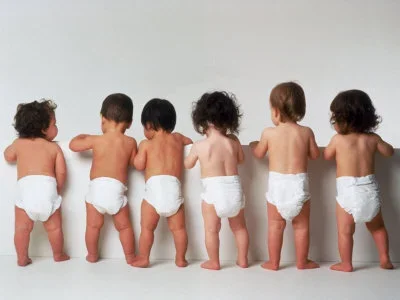
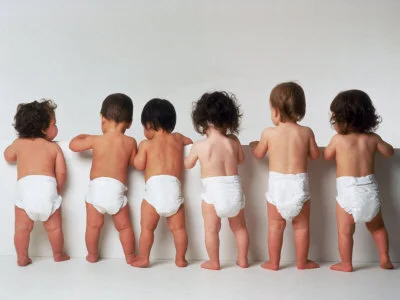
Thispast Christmas break, I spent a ton of time watching my niece and nephew. And besides reveling in their infinitecuteness, trying to decipher their words, and avoiding diaper changes, Ilearned a lot about how they move. Iknow, it may sound odd, but there’s a heck of a lot we can learn from watchingtoddlers play around.
BeforeI move on, I urge you to keep an open mind. Also, let’s collectively take a second to put down all the dumbbells,kettlebells, and, for the love of all things holy, please swear to me that you’llnever again touch a bosu ball.
First,toddlers rarely have any type of mobility problems. In fact, you don’t often hear of childrenever complaining of “tight hamstrings,” shoulder restrictions, or lower backpain….ok, maybe the whole “learning to speak” barrier keeps usignorant. But, what doesthis mean? That we’re all born with whatwe need, but it’s through our own fault that we develop any type ofrestrictions.
Next,and possibly the most important thing I learned, was how important crawling canbe for adults. Crawling, you say? Yes, crawling!
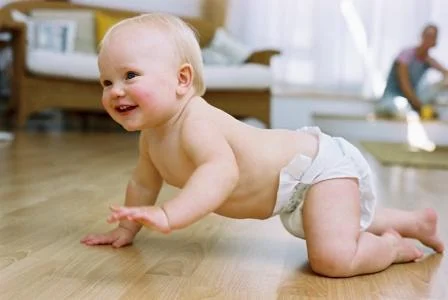
So,why IS crawling so important? Well, ifyou look at your normal adult, they usually have some type of rigidity in theirupper body. Even if someone hasexceptional shoulder mobility (like myself), their upper spine is usually a bitstiffer in certain parts than it should be. Breathing patterns, working in an office, and just how we sit all play arole in this department.
Whenyou break crawling down to its simplest form, you start to see why it’s sobeneficial. First, we work on buildingshoulder stability. In fact, if you’redown on your hands and knees, it’s probably pretty safe to say that you haveyour shoulder in the “packed” position, and are working pretty much everything inyour upper body. Also, by having yourweight on your hands and knees, you’re already in the opposite position thanmost people spend 99% of their day…and that’s a good thing!
Then,when you start moving, you get a ton of other benefits. You begin to work on mobility in the shoulderand thoracic spine of your free hand, while working on shoulder and trunkstability on the arm that’s on the floor. You’re also getting plenty of additional arm work, as your bicep andtricep are pulling your scapula over your shoulder to achieve thisshoulder stability. All of this withoutany equipment? Talk about bang for your buck!

Allof these patterns are in stark contrast to your traditional bench presses andheavy barbell squats. While theseexercises definitely do have their place, it’s important to realize that weneed a balance, and overdoing it on these exercises (or not prescribing theproper accessory movements) can really decrease your mobility.
Next,crawling helps with neuromuscular sequencing. In fact, whenever I teach crawling to a group of adults for the firsttime, it usually results in a ton of laughter, and failures in bodycoordination that rivals a newborn fawn. But what’s the result? Everyonegets better at sequencing their inner core, and any type of core work weperform after this drill is usually markedly better.
It’sfun to think about all the ways we move around when we’ve mastered the basicsof walking. We have all come so far, butwhat we really need is to get back down to where we once were.