In Defense of Nutrition
Nutrition can be summed up by five words: round and round we go. At least that's the prevailing thought for many of my fellow Americans. And for good reason.
The past few weeks have been a great example of flip-flopping nutrition headlines. We learned three weeks ago that processed meats cause cancer and red meat probably does too. Last week we also learned that "junk food" doesn't cause obesity, only the amount we consume (which is complete BS, but I'll bite my tongue until later).
Which begs the question: if we ditch our Italian subs for Big Macs, are we better off? Of course not. But I can't blame you for thinking that way.
It's easy to get lost in nutrition with it's ever-changing status. In fact, if the field of nutrition were a 2016 Presidential nominee I'm pretty sure it would say "I was for and against saturated fats before I was for them again." (<---a joke only a cynical, political science major would make)
The title of this post is more than paying homage to one of my favorite books, In Defense of Food - it's a defense of a much maligned science. And that's unfortunate because we've known the staples of a healthy diet for several decades: fruits and vegetables, minimally processed carbohydrates, lean proteins and plenty of unsaturated fats (olive oils, nuts, fish, etc.) What's been confusing isn't the science, it's the failure to properly communicate it.
All Show and No Go? Deconstructing "Arms Day"
When I first heard the phrase "curse of knowledge" I knew exactly what it meant. For one, I thought of past teachers that couldn't understand why I failed to grasp their subject (looking at you, my 9th grade math teacher). For another, I thought of my previous life as a social marketer, when I had a boss keen on telling me that what I "should've done" only after it had been completed.
In both cases, someone forgot what it's like to be without the knowledge that they take for granted. I'll be the first one to say that I get plagued by the curse of knowledge all the time. I try to hide it well - the curse, that is, hopefully not the knowledge - but it still leaks out.
Get a Grip!
I'm obsessed with grip strength.
While I won't be walking into Grip Strength Anonymous anytime soon, know that my obsession comes from a good - but embarrassing - place. As late as last year, whenever I shook someone's hand my wrist and hand would pop. I know it doesn't sound like a big deal - until you're on the receiving end of that handshake.
Why I've Soured on Foam Rolling
I usually don’t sing John Cougar Mellencamp. Strike that. I never sing John Cougar Mellencamp.
Except for when I’m foam rolling.
That’s when the words and melody to “Hurts So Good” start blaring in my head (and occasionally out of my mouth). If you’ve ever done any soft tissue work, you know what I’m talking about.
Crossfit Isn't Training, It's a Sport
I spent yesterday afternoon giggling and nodding in agreement as I reread my Myers-Briggs personality result. What's the Myers-Briggs personality test? It's a self-report questionnaire designed to indicate how people perceive the world and make decisions. Or as I like to call it, the "get out of my head!" test.
While I've known my result for a while - an INTJ - I like to read the description every few years as it's a humbling and affirming tool. For example, INTJ's tend to challenge traditional ways of thinking and have very high self-confidence (would it be too ironic to say that I agree?). On the flip side, INTJ's can also be seen as arrogant and judgmental.
Why is that important? Because you may believe I'm all four qualities after reading my thoughts below on Crossfit.
Realistic Workouts
I get it. It's January. If your last few weeks of December were anything like mine - filled with food and drink and very little exercise - you want to hit the gym hard. After all, there's no time like the present to #getyourchanningback.
But how hard we should push ourselves in the gym? Is it possible to do too much? Should we hit a new personal record each visit? What's a realistic expectation to avoid burning out before February?
It's complicated. But first, an anecdote.
Sumo vs. Conventional Deadlifts - Does it Matter? (Yes!)
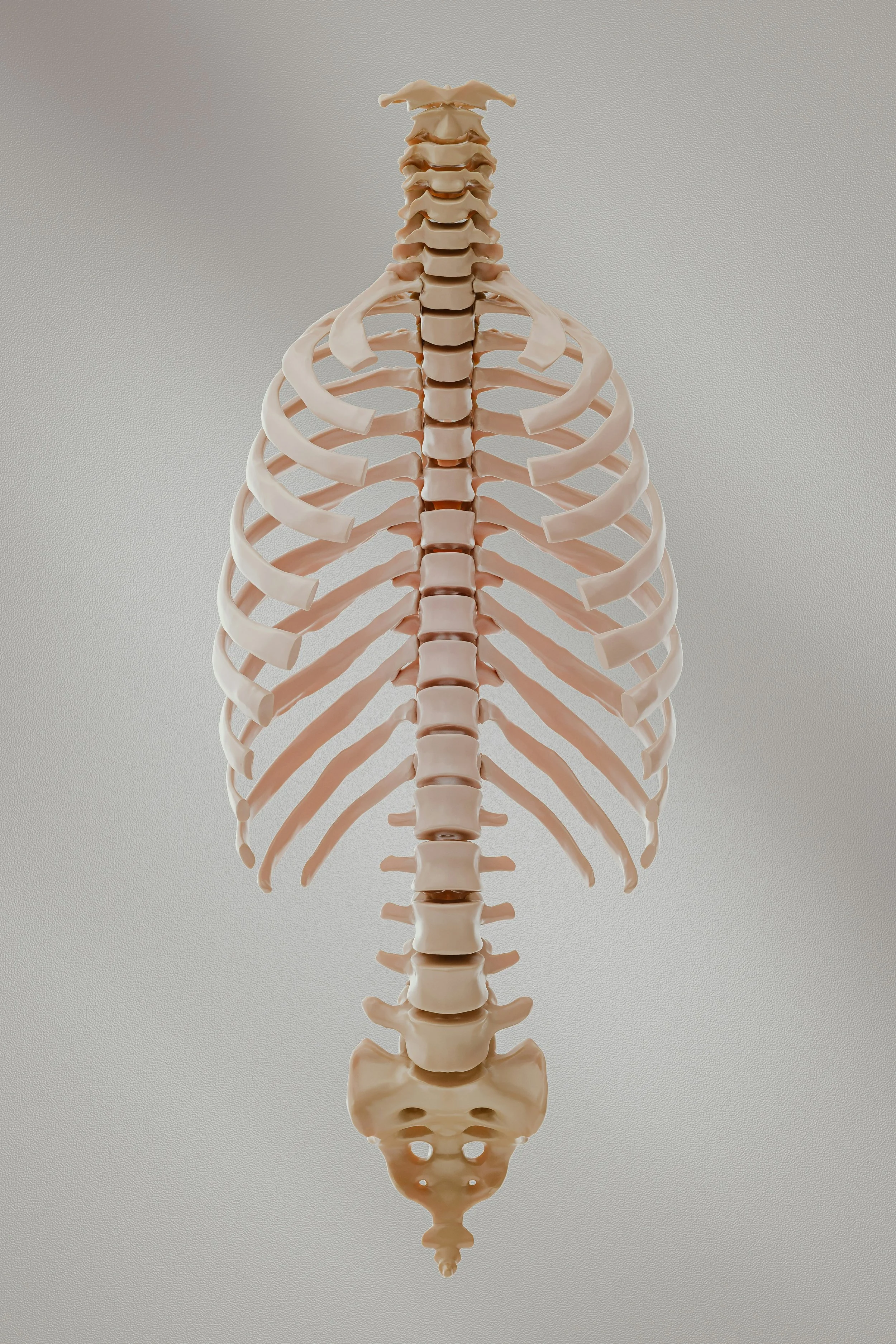
I didn't always love deadlifts. I feared them. And every deadlift day I'd walk into the gym wondering if "it" would finally happen - "it" being that my spine would break in half, shoot out my butt, and I'd be crippled for months.
So why'd I do them if I was afraid? Ego, probably. And testosterone.
But having since learned to love the deadlift, I can attribute my early struggles to one specific point: I thought I was more advanced than I was. I bypassed every easier deadlift variation in favor of the conventional stance - the hardest progression.
Counting Facts, Instead of Calories
I was petrified when I met with my first nutrition client. Will they believe what I say? Will I meet their expectations? It's one thing to learn from a textbook and be certified, but quite another to actually coach someone.
I'm still far from a "nutrition whisperer," but I've learned a lot since I started several years ago. Instead of trying to fix whatever I *thought* was their problem, I now begin with this general algorithm:
- What's their current and previous relationship with food? (Hint: we all have one)
- Is this person getting enough sleep? (Usually not.)
- Are they adequately hydrated? (Again, usually not.)
- Are there any glaring tendencies that need to be addressed? (Like when someone puts butter in their coffee. Yup, that's a thing.)
The Kettlebell Arm Bar for Bulletproof Shoulders
I'm proof that having mobile shoulders is a gift and a curse. It's allowed me pitch at a high level, press my body weight overhead (for reps), and apply sunscreen to any part of my back without asking for help.
But if you ask my college roommate, he'll beg to differ at how effectively I can do that last part under the intense Aruban sun.
Besides the benefits of having Orangutan-like arms, there are plenty of downsides. Chiefly, the neck and elbow pain I've experienced along the way.
#ItsASystem
Last week I caught my first cold of 2016. I know, first world problem, right? But in typical introvert fashion, it made me reflect.
To be clear, I wasn't reflecting in a melodramatic, Nancy Kerrigan "Why me?" sort of way. Instead, I wondered why I've only been sick once in 10 months, while others will tell me how they're constantly getting sick. I also remember hearing that "having 4 or more colds a year is normal."
Yeah, about that.