
Before I go anywhere with this post, I just want to ask one simple question: what is the deal with the “Harlem Shake?”
I like to think that I appreciate internet humor as much as the next person….but, where did it come from? Why for 30 long seconds does everything get really, really weird? And, more importantly, is this something we have to worry about for much longer?
If you have absolutely no idea what I’m talking about, here are the members of the Miami Heat performing their own version (my favorite character being the “horse-tronaut” in the background):
With that off my chest, I wanted to talk about one topic that seems to bug me: the fear of overtraining.
Overtraining is a funny topic in fitness – those that worry about it are those that probably shouldn’t, and those that don’t worry about it probably should. Of course, there’s no hard science to back up these claims, it’s just a trend that I’ve noticed.
I often talk about how the less you do in the gym, the more gains you’re going to realize. However, you do need to use a bit of common sense. If all you do is stretch and hop on a treadmill for 15 minutes, you’re not going to see much improvement. On the other hand, if you run for 3 miles, lift weights for 45 minutes, then hop back on some “cardio,” you’re wasting your time and cutting portions out will do you some good. Unfortunately, most people gravitate closer towards the former example, rather than the latter.
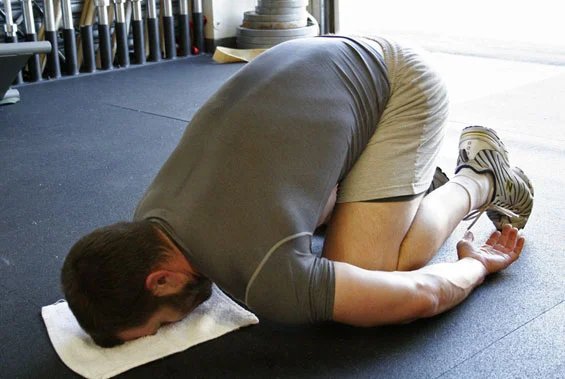
If you’re waking up in the mornings and feeling like this, you probably should take a day off….or four.
If you’re someone that HAS been training hard for the past few months, how can you tell if you’re overtraining? Well, it’s actually pretty simple, and here are the two questions I tell everyone to ask themselves:
Yes, it’s really that simple. If you’ve been training hard, and can’t stomach a visit to the gym, then take a day off. You don’t need to feel guilty, and that day off may be what you need.

Alex Tankskey is the founder of The Movement Lab. A former marketer and Facebook surfer, Alex changed careers when he experienced how strength can transform your life. He's now a Strength Coach under the National Strength and Conditioning Association (NSCA), StrongFirst (SFG1), Functional Movement Systems (FMS), and a certified Precision Nutrition Coach (Pn1).