
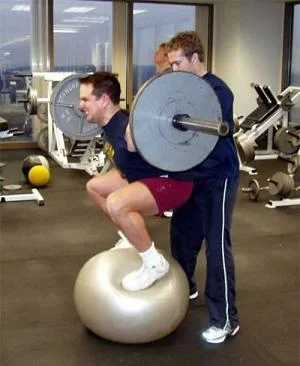
If I ever see this at a gym, I will kick myself in the face.
For
those that know me well, you know that I love some good squats. In fact, I proclaimed my love for “the king
of lower body exercises” in my first blog post.
Thus, I’m always saddened when I see someone squatting incorrectly, or
when they claim that “squatting is bad for the knees.”
So
today, you’re in for a treat! Below is
my first video on the exercise I love so much, as well as how to fix many of
the problems that are often encountered.
In
the video, I note how deep squatting is not bad for your knees, which I explain a little
further down in this post. But for those that want to
watch the video, please go ahead (I apologize for the black screen on both sides. It’s what happens when you want to look lean….or are new to the whole video thing!)
Ok,
so I breezed through why squatting isn’t bad for your knees a bit, so now I
want to back it up with science. In this
study, knee forces were measured at three different angles in squats to see if
they had any appreciable difference on the knee joint. Measurements were taken when squatting above
parallel, parallel, and below parallel. So
what happened? Well, it turns out that
when you squat correctly the knee protects itself. There were hardly any differences between
deep squats, illustrating that they were safe.
I’ll also go on to say that a full, deep squat is actually safer than any type of
partial squat. The reasoning is that at
the bottom of the squat, your hamstrings and quadriceps balance out the forces
on your knees. Partial squats, on the
other hand, have more of a potential to hurt your knees as the forces are being
directed primarily through your quads.
Anecdotally,
I’ve coached several kids with Osgood-Schlatters who I’ve taught successfully
to squat without any pain. The
cure? Make sure they hinge, or stick
their butt out, as they initiate the movement. When they have a vertical shin, they are balancing the forces inside their legs, preventing any type of
shearing force in the joint.
Anyway, I hope
you enjoyed this post, because I sure enjoyed writing/filming it. But until then…

Alex Tankskey is the founder of The Movement Lab. A former marketer and Facebook surfer, Alex changed careers when he experienced how strength can transform your life. He's now a Strength Coach under the National Strength and Conditioning Association (NSCA), StrongFirst (SFG1), Functional Movement Systems (FMS), and a certified Precision Nutrition Coach (Pn1).